

Sustainable finance salary expectations are defined by role, experience, and geography, with the average ESG finance professional in the United States earning $92,631 annually as of july 2026. Most professionals fall within a $75,000–$109,000 band, but that range widens sharply at senior levels, where sustainability directors at major financial firms can earn $175,000 or more in base salary alone. Regulatory frameworks like the ISSB disclosure standards and the EU's CSRD are pushing ESG integration deeper into core finance functions, which directly drives employer demand and pay. If you are a finance professional or student mapping out a career in sustainable finance, this guide gives you the numbers and context you need to negotiate with confidence.
What are the average sustainable finance salary expectations by role and level?
The $92,631 average masks a wide spread across experience levels. Entry-level sustainable finance salaries range from approximately $50,000 to $95,000 depending on city, industry, and firm type. In financial hubs like New York and San Francisco, entry-level ESG analyst roles typically start between $65,000 and $95,000. Consulting and corporate sustainability roles in smaller markets often start closer to $50,000–$65,000.
Mid-level professionals with 3–7 years of experience see a meaningful jump. Mid-level salaries typically fall between $85,000 and $130,000, with senior positions exceeding $120,000. Sustainable finance managers average around $150,000, reflecting the direct accountability they carry over ESG-integrated portfolios and risk frameworks.

The table below shows how compensation scales across common roles.
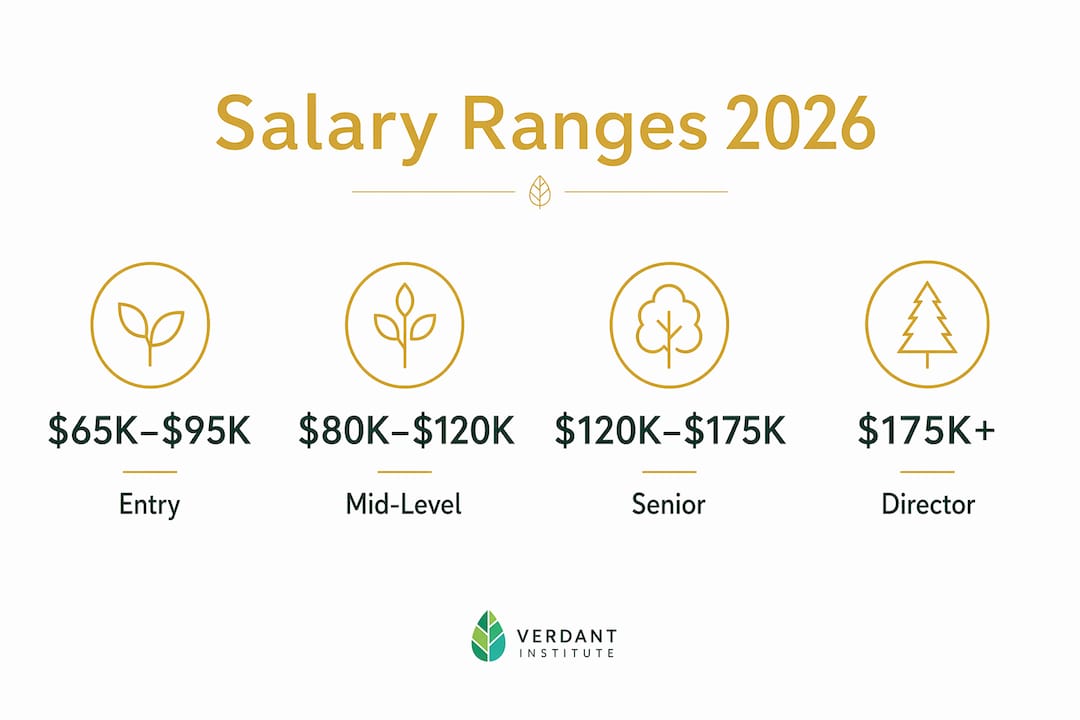
| Role | Experience Level | Typical US Salary Range |
|---|---|---|
| ESG Analyst | Entry (0–3 years) | $65,000–$95,000 |
| Sustainable Finance Associate | Mid (3–5 years) | $85,000–$110,000 |
| ESG Portfolio Manager | Mid-Senior (5–7 years) | $100,000–$130,000 |
| Sustainability Manager | Senior (7–10 years) | $130,000–$150,000 |
| Sustainability Director | Executive (10+ years) | $150,000–$180,000+ |
These figures represent base salary only. Total compensation, including bonuses and equity, can push actual earnings significantly higher, particularly at financial services firms.
Pro Tip: When comparing offers, always ask for the full compensation breakdown. A $110,000 base with a 25% bonus target is worth more than a $125,000 base with no variable pay.
How do industry sectors and geography affect sustainable finance pay?
Financial services firms pay a premium for sustainable finance talent because ESG is embedded in core revenue and risk functions, not treated as a side compliance task. An ESG analyst at an asset manager or investment bank is directly influencing portfolio construction and credit decisions. That financial exposure commands higher pay than the same title at a nonprofit or government agency.
Sector and geography together create the biggest salary gaps in this field. Key patterns to know:
- Financial services: Highest base salaries across all experience levels. ESG integration with investment product development and credit risk justifies premium pay.
- Renewables and energy transition: Strong salary growth, particularly for roles tied to project finance and green bond structuring.
- Corporate sustainability: Broader role scope but generally lower base pay than financial services counterparts at the same experience level.
- Consulting: Variable pay depending on firm size. Large strategy firms pay competitively; boutique sustainability consultancies often pay below financial services rates.
Geography adds another layer. Middle East energy transition roles pay 15–20% above sustainability generalists in the same region, driven by initiatives like Saudi Vision 2030. Singapore and Hong Kong offer strong sustainable finance salaries as regional green finance hubs, supported by government-backed green finance policies. In the United States, New York remains the highest-paying market, followed by San Francisco and Boston.
Cost-of-living adjustments matter when comparing offers across cities. A $130,000 salary in New York delivers less purchasing power than $105,000 in Austin or $95,000 in Charlotte. Remote roles in this field sometimes pay a lower base but can offer real financial advantages for professionals living outside major metros.
What are the current salary growth trends in sustainable finance?
The market signal for sustainable finance compensation is clear and consistent. 78% of global sustainable finance professionals expect salary increases in the next 12 months. That expectation is grounded in real employer behavior.
84% of employers in sustainable finance increased compensation in the past year, with the strongest growth in financial services and renewables. This is not a temporary spike. It reflects the structural integration of ESG into investment mandates, regulatory reporting, and risk management across the financial sector.
The ISSB's IFRS S1 and S2 disclosure standards, now adopted or referenced by regulators in over 20 jurisdictions, have created a compliance floor that requires dedicated ESG finance expertise. The EU's CSRD has similar effects for firms with European operations. Both frameworks push employers to hire and retain professionals who can translate ESG data into financial disclosures and portfolio decisions.
ESG skills demand is also rising because institutional investors now treat ESG metrics as material inputs to valuation, not optional overlays. Asset managers, pension funds, and insurance companies are all building out internal ESG finance teams rather than relying solely on external consultants. That internal hiring push compresses supply and lifts salaries.
Pro Tip: Professionals who combine traditional CFA-level financial analysis skills with ESG-specific credentials consistently command offers at the top of published salary ranges. Credential stacking is one of the fastest ways to move from mid-range to top-of-band compensation.
What should finance professionals know about total compensation and career progression?
Base salary is only part of the picture. Total compensation in financial services typically includes a base salary, a performance bonus ranging from 10% to 30% of base, and in some cases equity or carried interest for senior roles. A sustainability manager earning $150,000 in base salary at a major asset manager could realistically take home $180,000–$195,000 total in a strong performance year.
Career progression in sustainable finance follows a clear pattern, with the biggest salary jump occurring at the transition from manager to director. Key milestones to plan for:
- Entry to associate (years 0–3): Build technical ESG analysis skills and financial modeling competency. Salary growth is steady but moderate.
- Associate to manager (years 3–7): Specialize in a high-demand area such as climate risk, green bond structuring, or impact measurement. This is where compensation accelerates.
- Manager to director (years 7–12): The most significant salary jump. Sustainability director roles at major financial firms in New York or London command base salaries of $175,000 or higher. Firm size and specialization in areas like portfolio decarbonization or transition finance drive the upper end of this range.
- Director to C-suite: Chief Sustainability Officers at large financial institutions can earn total compensation well above $300,000, though publicly listed figures vary widely.
Firm size matters as much as title. A director at a $50 billion asset manager earns substantially more than the same title at a $2 billion boutique. When evaluating offers, look at assets under management, revenue scale, and whether the ESG function reports directly to the CFO or CIO. Reporting structure signals how central the role is to the firm's financial operations, which directly affects both pay and career trajectory.
Remote and hybrid roles add complexity to compensation comparisons. Some financial services firms apply geographic pay adjustments, reducing base salary for employees outside major financial centers. Others maintain flat pay structures. Professionals in lower-cost cities who secure flat-rate remote roles can achieve significantly higher purchasing power than their in-office peers.
Key Takeaways
Sustainable finance compensation is highest where ESG is embedded in core financial decisions, not treated as a compliance function.
| Point | Details |
|---|---|
| Average US ESG salary | The typical range is $75,000–$109,000, with an average of $92,631 as of 2026. |
| Senior roles pay significantly more | Sustainability directors at major financial firms earn $175,000+ in base salary alone. |
| Financial services leads on pay | ESG roles tied to investment and risk functions command the highest salaries across sectors. |
| Salary growth is broad-based | 84% of employers raised compensation in the past year, with more increases expected. |
| Total comp exceeds base salary | Bonuses of 10–30% and equity packages are common in financial services ESG roles. |
What I've learned about reading sustainable finance salary data
The salary numbers in this field are real, but they require context most job seekers miss. The $92,631 average looks reasonable until you realize it blends ESG analysts at regional banks with sustainability directors at global asset managers. Those are fundamentally different jobs with different financial stakes.
The premium that financial services firms pay for ESG talent is not charity. It reflects the fact that a wrong call on climate risk in a credit portfolio or a green bond issuance can cost a firm hundreds of millions of dollars. Professionals who understand that financial exposure, and who can quantify it using frameworks like TCFD or IFRS S2, are genuinely scarce. Scarcity drives pay.
I have also seen finance professionals underestimate the value of geographic arbitrage in this field. A professional in Charlotte or Austin who secures a remote role at a New York-based asset manager often earns more in real purchasing power than their Manhattan-based colleague. That gap is widening as more firms normalize hybrid structures.
The most consistent mistake I see from students entering this field is treating the ESG label as the differentiator. Employers pay for financial skills first. The sustainable finance skills that command top salaries are the ones that sit at the intersection of ESG knowledge and hard financial analysis, not ESG knowledge alone. Build both, and the salary follows.
— Charles
Verdantinstitute: resources for your sustainable finance career
Finance professionals and students who want to move faster in this field need more than salary data. They need the technical skills that employers actually pay for.

Verdantinstitute offers structured learning tracks covering ESG analysis, transition finance, impact investing, and net-zero portfolio strategies. The platform's 16 courses and over 160 lessons are built specifically for finance practitioners, not general sustainability audiences. Student plans start at $18 per month, and professional plans at $58 per month include CPD tracking and certifications that signal credibility to employers. If you are building toward a role at the top of the sustainable finance pay scale, the credential and skill foundation you build now directly affects where you land on that range.
FAQ
What is the average sustainable finance salary in the US?
The average annual salary for ESG finance roles in the United States is $92,631 as of july 2026, with most professionals earning between $75,000 and $109,000.
What do entry-level sustainable finance roles pay?
Entry-level salaries range from approximately $50,000 to $95,000 depending on city and firm type, with New York and San Francisco roles typically starting between $65,000 and $95,000.
Which sector pays the most for sustainable finance professionals?
Financial services firms pay the highest salaries because ESG is integrated into core investment and risk functions, not limited to compliance or reporting roles.
How much can a sustainability director earn at a major financial firm?
Sustainability directors at major financial firms in cities like New York or London earn base salaries of $175,000 or higher, with total compensation rising further through bonuses and equity.
Are sustainable finance salaries growing?
Yes. 78% of global sustainable finance professionals expect salary increases in the next 12 months, and 84% of employers already raised compensation in the past year, driven by regulatory demand and ESG integration in investment mandates.